Karen Gonzalez Rice is a contemporary art historian with multidisciplinary roots in the history of performance art, a visual art medium that emphasizes the artist’s body as the material of art, her work is concerned with strategies of performance art as liberatory frameworks for embodied meaning-making and justice-seeking.
Art History
performance ART
religious studies
American studies
trauma studies
museum studies
disability studies
Deaf studies


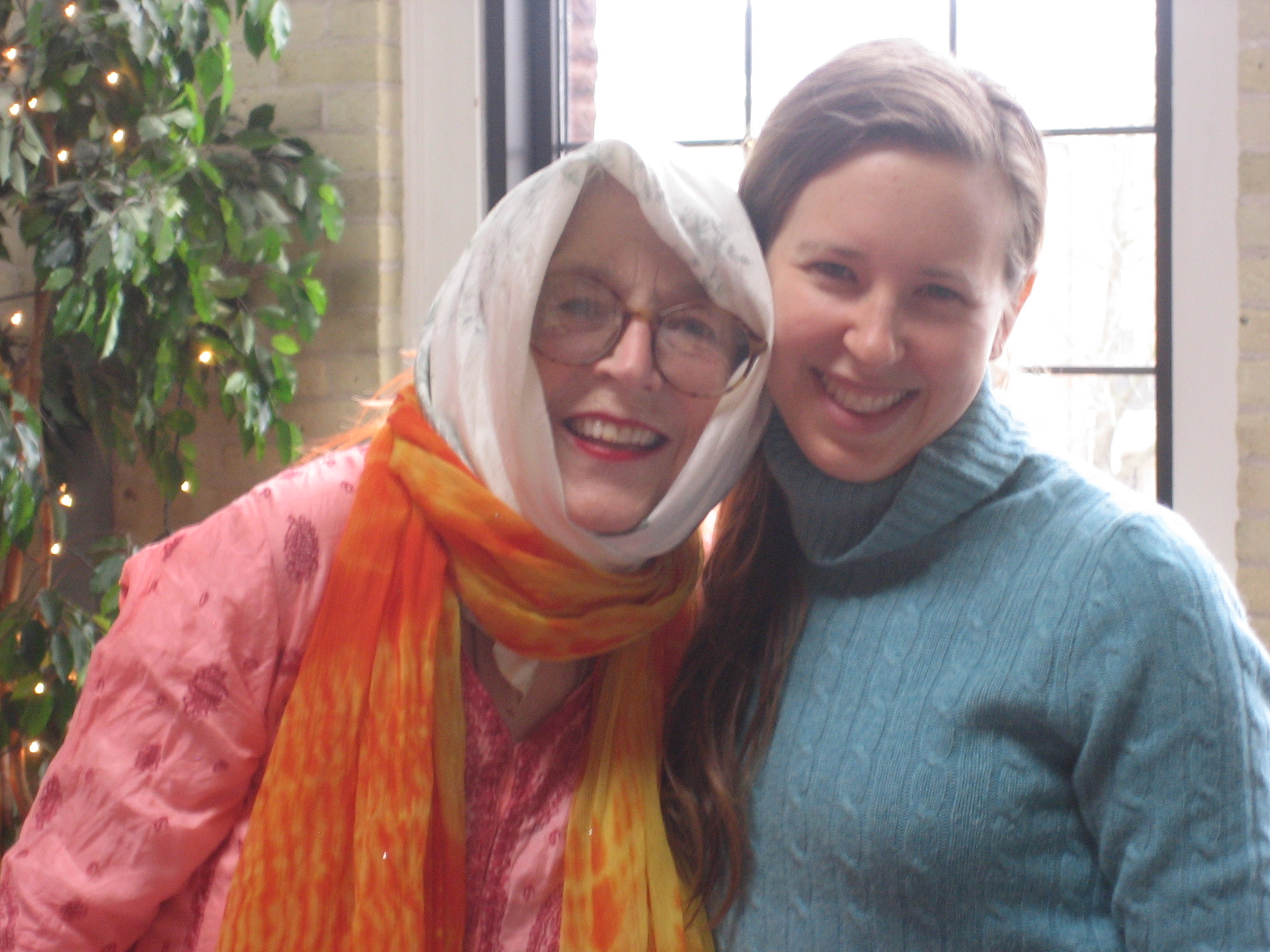
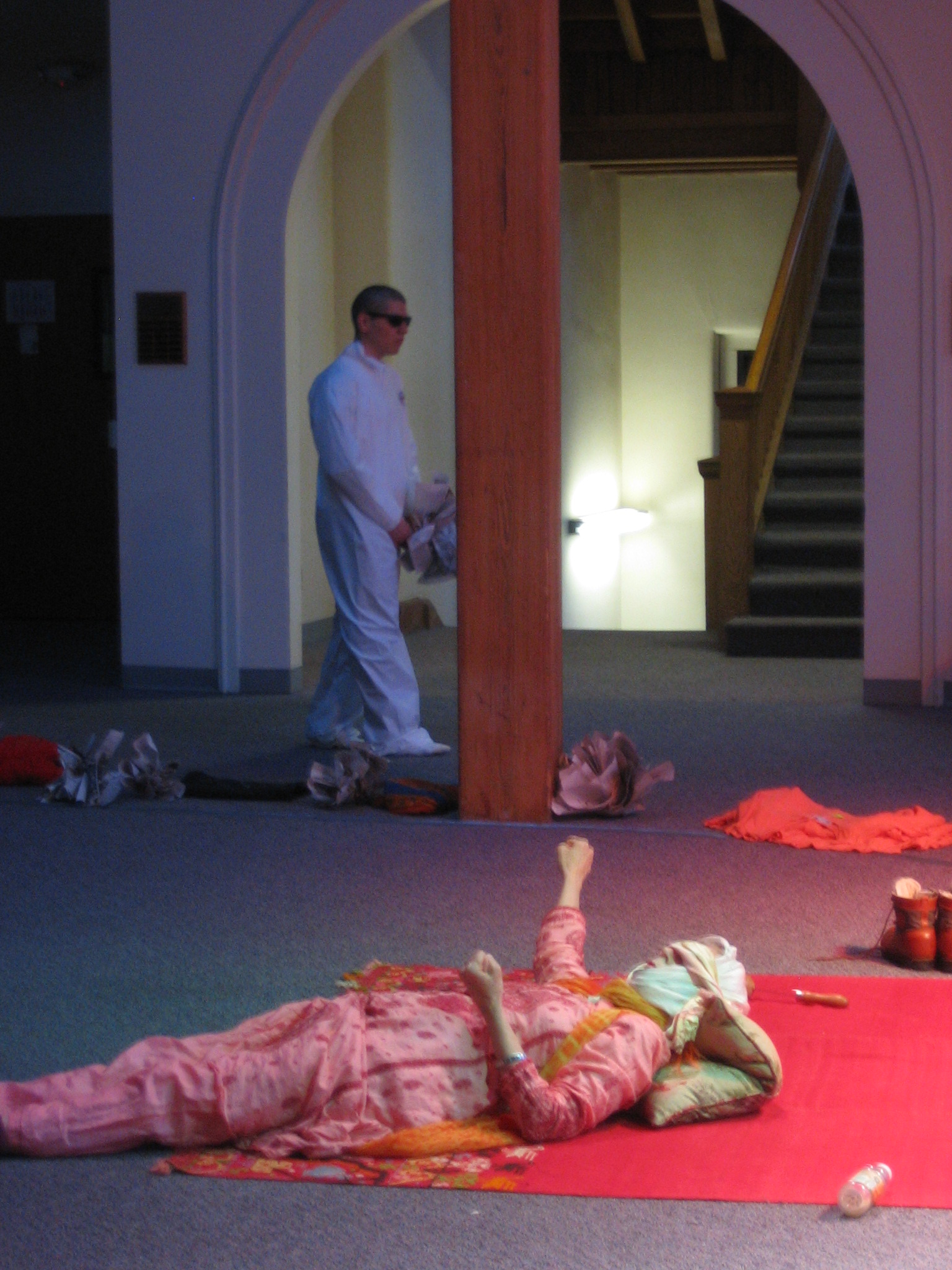
Wright Museum of Art, Beloit College, 2011
7-Hour Gland-a-Thon with Linda Montano
Curator
In particular, Dr. Karen Gonzalez Rice’s research examines the histories, stakes, and consequences of endurance art, an extreme form of performance art that holds a prominent place in contemporary art history. Endurance artists perform long-term actions, submit to pain or hardship, test their bodies’ physical and psychic capacities, and practice patience.
Karen’s approach to this challenging subject matter is deeply rooted in traditional art historical methods, including visual analysis, biography, and historical context.
At the same time, her research questions stretch beyond art history to engage with cross-disciplinary preoccupations and debates about the ethical stakes of representation, the political possibilities of performance, the lived experience of visuality, and more.
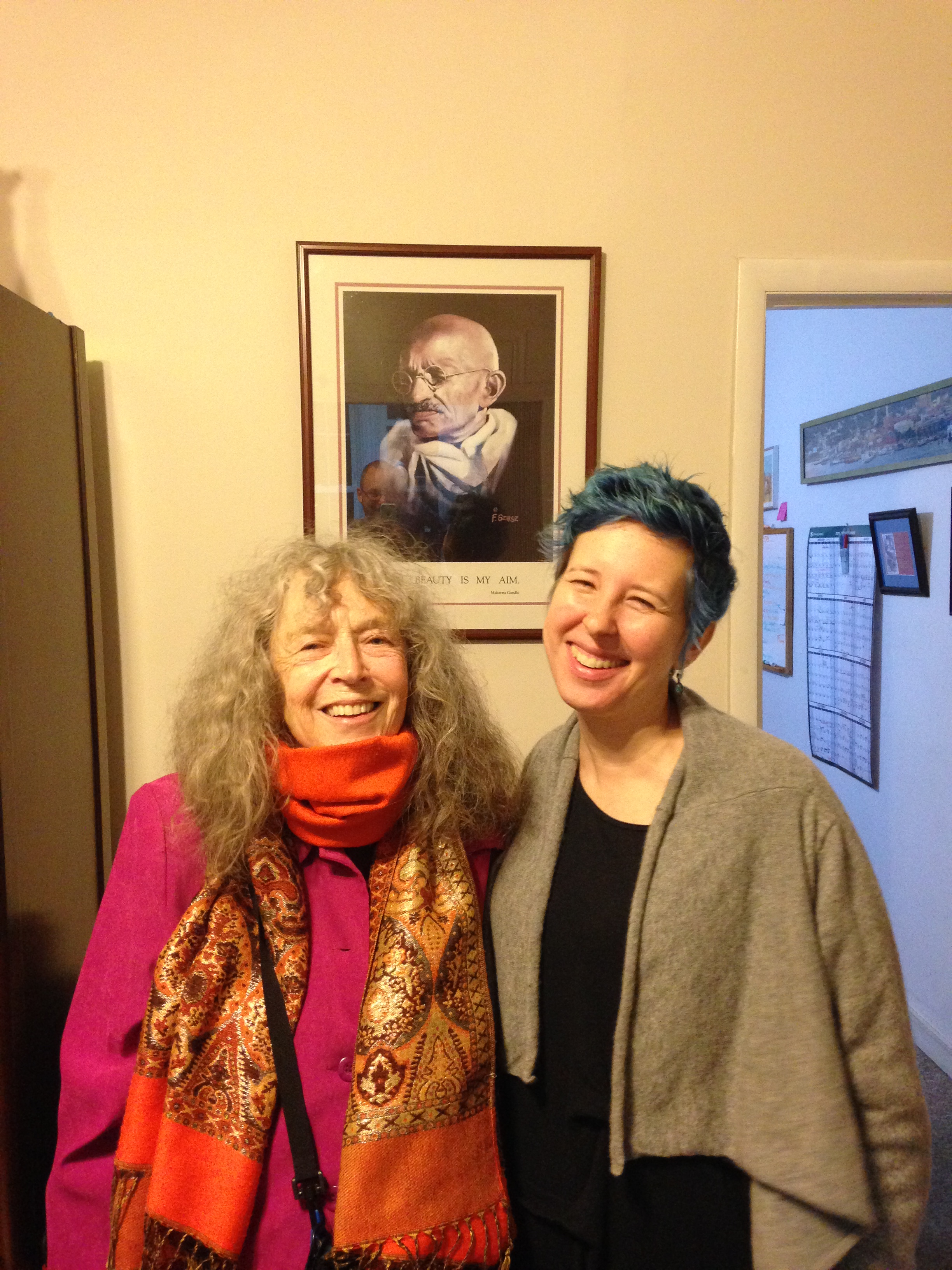
St. Francis House, New London, Connecticut, 2015
MONEY IS GREEN TOO with Linda Montano
Curator


Connecticut College, 2013
Photos by Em Miller
Ask a Tranny with Kris Grey
Curator

Most recently, Dr. Karen Gonzalez Rice’s research has been informed by her transformative experience as a Mellon New Directions Fellow at Gallaudet University, where she pursued training in Deaf studies and disability studies, participating as a guest in Deaf communities, learning two new disciplines, and developing academic discourse-level skill in American Sign Language.
This experience has clarified for her the ableist foundations of art history, challenged her thinking about endurance art, and generated entirely new perspectives and new questions that she will be grappling with for the rest of her career.
Research Areas
Performance Art & Performance Studies
What becomes possible when artists use their bodies as the material of art?
Endurance Art
Why do endurance artists perform long-term actions, submit to pain or hardship, and test their bodies’ physical and psychic capacities?
Contemporary Art & Religion
How does our understanding of contemporary art change when we take religion seriously in the forms, content, and contexts of art?
Trauma & Representation in Contemporary Art
How and why is trauma made visible in contemporary art?
What visual strategies shape how trauma is represented and witnessed?
American Art & American Studies
What are the particular conditions of artmaking in the United States?
How do artists navigate intersectional identities, local histories, and meaning-making in American contexts?
Museum, Art, & Ethics
What are our responsibilities in making, viewing, and collecting art in the 21st century?
How can museums serve as labs for creative connection, accessibility, and liberation in our current historical moment?
Whiteness in Contemporary Art & Its Consequences
How has whiteness shaped the forms and content of contemporary art?
How are artists and scholars creating more expansive, inclusive possibilities?
Deafness, Disability & Visual Representation
How might scholars in art history and Deaf studies open new perspectives to one another?
What speculative futures might we envision across art history and disability cultures?
 Karen Gonzalez Rice